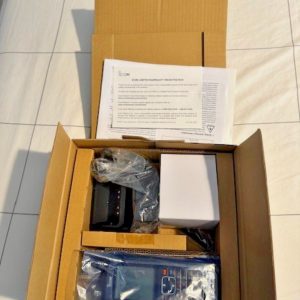
:::writingvariant="document" id="58314" ICOM IC-A25N Handheld NAV/COM Transceiver w/ Bluetooth – Open Box: Versatile Cockpit and Ground Communication The ICOM IC-A25N Handheld NAV/COM Transceiver w/ Bluetooth – Open Box offers practical cockpit, emergency, training, and ground-use functionality in a compact handheld format. Choosing an open-box aviation radio may allow buyers to obtain advanced pilot equipment at a more accessible price than a comparable factory-sealed package. The ICOM IC-A25N Handheld NAV offers a flexible option for private pilots, commercial operators, instructors, aviation students, and support personnel. The ICOM IC-A25N Aviation Radio offers portable flexibility for aircraft owners who do not want to rely exclusively on panel-mounted communication equipment. The ICOM IC-A25N Handheld Radio can serve private owners, instructors, students, aircraft dealers, mechanics, and airport staff who need communication away from a fixed cockpit installation. A capable Handheld NAV/COM Aviation Transceiver provides pilots with an integrated solution that can be stored conveniently and accessed quickly. Whether the requirement is a Handheld Aviation Radio, Aviation NAV/COM Radio, Pilot Handheld Radio, or Aircraft Communication Radio, buyers should review package condition, included accessories, battery health, and operational compatibility before purchase. As an Aviation Communication Device, the radio can provide portable support for cockpit, training, emergency, and ground environments.
Exploring the ICOM IC-A25N NAV/COM Platform
The IC-A25N combines portable aviation communication capability with navigation-oriented features intended to support a broad range of pilot activities. Its practical value comes from combining mobility, recognizable controls, aviation-focused operation, rechargeable power, and multiple communication or navigation functions. A handheld radio can provide valuable support, but performance may depend on antenna position, aircraft structure, terrain, distance, interference, battery condition, and operating environment. A backup radio provides greater value when the pilot has already practiced frequency selection, volume adjustment, navigation functions, Bluetooth setup, and battery management.Choosing the ICOM IC-A25N Handheld NAV
A handheld NAV radio can be valuable to flight instructors who demonstrate aviation communication and navigation concepts during training. Students may practice menu navigation, frequency entry, memory organization, display interpretation, and accessory setup in a controlled setting. Aviation navigation requires situational awareness, planning, current data, and understanding of aircraft and airspace requirements. The radio should be stored securely so it does not interfere with controls, visibility, passengers, or emergency egress.ICOM IC-A25N Aviation Radio for Pilots
A portable aviation radio provides flexibility to owners, instructors, technicians, and operators who require communication across multiple aviation settings. Maintenance providers may monitor aviation activity while working outside the aircraft or coordinating ground movements. Current photographs should show the radio body, display, controls, connectors, antenna, battery, charger, packaging, and included components. The best purchase decision combines condition evidence, package completeness, seller credibility, secure payment, and documented delivery terms.ICOM IC-A25N Handheld Radio Portability
A compact radio can remain in a flight bag alongside headsets, charts, flashlights, batteries, and other essential pilot equipment. Pilots should protect the radio with a suitable case or organized storage compartment to reduce the risk of impact, moisture, connector damage, or accidental control activation. Preparation outside the aircraft supports more confident, efficient, and less distracting use during actual operations. A portable radio should not be left in extreme heat, direct sunlight, freezing conditions, or damp environments for extended periods.Maintaining a Handheld NAV/COM Aviation Transceiver
A NAV/COM transceiver can support normal operations, training, backup planning, aircraft delivery, and selected ground activities. The most suitable handheld radio is not necessarily the one with the longest feature list, but the one the pilot can operate confidently and maintain properly. Users should keep the operating guide accessible until they can manage essential functions without hesitation. Any abnormal heat, charging issue, intermittent audio, damaged control, loose connector, or battery swelling should be investigated before further operation.Handheld Aviation Radio for General Aviation
General aviation users may carry a portable radio during training flights, cross-country operations, maintenance, aircraft repositioning, and airport events. Regular practice and maintenance turn a handheld device into meaningful backup equipment rather than an unverified accessory. A handheld radio should be evaluated in the aircraft and environment where it will normally be used. Pilots must use aviation frequencies responsibly and comply with applicable licensing, authorization, frequency, and communication requirements.Using an Aviation NAV/COM Radio
A NAV/COM radio may support pilots who need backup communication while also valuing navigation-oriented information and operating flexibility. A portable radio should support cockpit management rather than add unnecessary workload. A handheld device may provide valuable reference information but should not replace required installed equipment or approved procedures where those are necessary. Before departure, pilots should confirm that the radio is charged, correctly configured, securely stored, and easy to reach.Maintaining a Pilot Handheld Radio
A Pilot Handheld Radio offers flexibility to aviation professionals whose work involves several aircraft, airports, and operational environments. The microphone, antenna, cables, headset adapters, and charger should be stored so they do not become tangled or damaged. Training may also include using the radio with gloves, in reduced light, with a headset, or in a noisy cockpit environment. Pilots may consider carrying an appropriate backup power option when supported by the equipment and mission requirements.Aircraft Communication Radio Benefits
The IC-A25N can become part of an organized communication strategy for private pilots and aviation businesses. Headset and Bluetooth accessories should be tested for microphone quality and audio clarity before operational use. A portable radio may operate differently from the aircraft’s main communication system because antenna size, antenna position, output, and cockpit shielding can affect performance. The radio should be protected from impact, vibration, liquid exposure, extreme temperature, and damaged accessories.Using a Portable Aviation Transceiver
A Portable Aviation Transceiver offers communication mobility for pilots and aviation professionals who are not always positioned inside a powered aircraft. Charging equipment should be identified clearly and kept with the correct radio and battery system. A wired backup arrangement may remain useful when Bluetooth accessories lose charge, disconnect, or experience interference. read more The radio should remain usable even when a paired device is unavailable or the Bluetooth connection cannot be restored.Maintaining an Aviation Communication Device
The ideal device balances functionality with an interface the user understands and can operate confidently. Buyers should avoid assuming that open-box always means unused or that every accessory remains included. Professional users may maintain records of radio assignment, charging, inspections, damage, accessory inventory, and battery replacement. A well-managed Aviation Communication Device can support efficient and dependable operations across many aviation roles.Maintaining a Handheld Aircraft Radio
A Handheld Aircraft Radio can provide useful communication capability both inside the cockpit and around the aircraft during maintenance, preflight, towing, fueling, or operational preparation. Pilots may prepare frequencies and settings before entering the cockpit, reducing setup workload after engine start. A planned storage position supports fast retrieval while protecting the radio and aircraft interior. After ground or cockpit use, the radio should be checked for dirt, moisture, fuel residue, oil, impact damage, and accessory wear.Choosing an Aviation Navigation Radio
An Aviation Navigation Radio can support pilot situational awareness by providing portable access to compatible navigation-related functions and information. Competent use comes from practice, realistic expectations, and integration with established navigation procedures. The device should become part of a layered navigation and communication strategy rather than the sole source of critical information. The manual and quick-reference information should be available until the pilot can use important functions confidently.ICOM Pilot Radio Applications
An ICOM Pilot Radio can appeal to aviation users who value an established communications manufacturer, aviation-focused controls, portable construction, and practical accessory support. Accessories, manuals, packaging, warranty eligibility, and previous registration may affect the practical and commercial value of the radio. The device should support the pilot’s normal workflow rather than requiring accessories or procedures that are inconvenient or incompatible. Pilots should record serial information, purchase details, accessory inventory, battery condition, and any warranty documentation.Using an Emergency Aviation Radio
The IC-A25N can become part of a broader emergency equipment strategy appropriate to the aircraft, route, environment, and pilot’s needs. The radio should be positioned where it can be reached without searching through baggage during an urgent situation. Pilots should evaluate whether the radio can be heard clearly in the noise environment of their aircraft. Battery packs should be replaced when capacity declines, physical damage appears, charging becomes unreliable, or the manufacturer’s guidance indicates replacement.Backup Aircraft Radio Applications
Pilots who operate several aircraft can carry the same Backup Aircraft Radio and remain familiar with its controls across different cockpit layouts. A backup device should not be neglected simply because it is not used during every flight. The pilot should determine whether the radio will be operated through its built-in audio, Bluetooth accessory, or wired headset connection. Aviate, navigate, and communicate priorities remain essential whenever communication equipment problems occur.Evaluating an Open-Box Aviation Radio
Buyers should review the radio body for scratches, cracks, missing labels, damaged controls, loose components, or wear around frequently handled areas. The seller should identify whether original packaging, manuals, warranty materials, and product registration documents remain available. Battery behavior should be observed for unusual heat, rapid discharge, charging failure, physical swelling, or poor connection. Shipment photographs can document package contents and physical condition before dispatch.Maintaining a Portable NAV/COM Transceiver
Preventive care helps preserve the display, controls, battery, housing, antenna connection, charger, and accessories. Maintenance should be completed before the radio is needed for an important flight or emergency role.- Check for cracks, loose parts, damaged buttons, display concerns, weak battery performance, antenna damage, charging problems, and missing accessories.
- Confirm that paired accessories, headset connections, stored information, display settings, antenna attachment, and power level are suitable for the planned operation.
- Charge and store the battery according to appropriate guidance while keeping all accessories labeled and together.